Want to get good at AI? Ask an experienced technical manager.
Finance, listen up. Research, here this. Human resources, Operations, Executives of all walks, this is for you. If you want to get really good with AI, I mean really use it to powerfully change the way you do business, spend some time with someone who has experience leading teams of technical people.
AI is all about managing an extension of you; a personal assistant at first, a team perhaps, eventually even a small army of agents that know your end goal inside and out and execute flawlessly. To accomplish this it takes the exact same skills utilized in the art of managing technical talent. First let me define what technical talent is.
Technical talent is someone who is extremely knowledgeable in a cutting edge area that is essential to your business, powerful with toolsets that are force multipliers for teams and organizations. Technical talent has a very specific and deep set of skills, but is often lost in the grand scheme of the business, instead focusing their abilities on depth of knowledge rather than breadth or context. Sound familiar?
The problem many face with AI is that it is essentially embodying a drunk genius or an atom bomb; you notice it is powerful, even scary in its abilities, but for some reason when you ask it to do something rudimentary it falls on its face embarrassingly. The mistakes it makes are almost like that of a pre-teen stepping into a biotech company for the first time and being asked to present to a board. It is not demonstrably trustworthy in its own judgement and certainly not to be left alone.
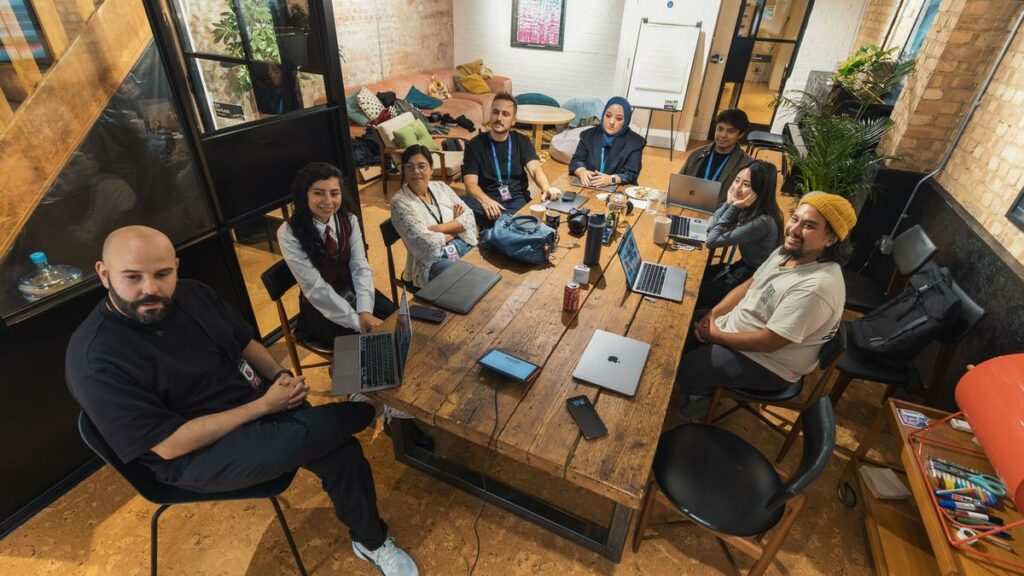
But why is everyone saying AI is so powerful? If it falls on its face, how can I ever make anything useful come out of it? Enter the experienced technical manager. Someone who has led teams of (let’s call a spade a spade) nerds, and GETS them. Having led teams for years, I have come to respect and value the nuances of leading teams of extremely capable experts. I find that the skills of communication, resourcefulness and structure make an otherwise struggling, frustrated group into a laser-focused team that absolutely crushes seemingly impossible asks.
When beginning my AI journey I missed the similarities. I was treating AI like (what I have come to term) Google 2.0, asking it questions and then closing the chat so it can collect dust until my next whim. Oh how I wish I could have pointed that out to past me and hold my face to the similarities of many leaders who ask IT or research teams a specific question and then confine them to the back rooms and offices only to be trotted out with the next opportunity, catastrophe or (most likely) whim takes hold.
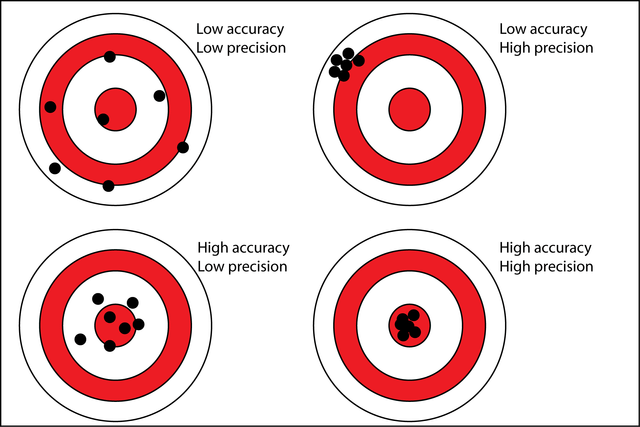
A technical manager doesn’t need to know everything a technical expert does, just the strategy and the ability to enforce minimum standards. These include security, privacy, organizational frameworks, documentation, accuracy and precision.
Communication
Good Managers communicate. Communication = clarity, completeness and feedback loop. When done correctly, this greatly impacts the workstreams and output of well-designed AI tools.
Resourcefulness
Resourcefulness = flexibility, access, problem solving. This is where AI shines, but needs guardrails. Enter, structure.
Structure
Structure = a plan, direction, guardrails. Good technical managers shine at this. A powerful team of developers can do good work, but must operate with acute focus on business priorities. Likewise, the tools technical people build and manage are incredibly powerful, potentially dangerous, and are a vault for all the most sensitive materials of an organization.
All that said, there are some key differences. AI can be treated like a computer with near-infinite memory and recall. The use of ‘second brains’ and markdown files (with proper structure and design) can make an AI extremely accurate and help you to fact-check its output.
Overall, designing and implementing AI in your organization takes its own special set of skills. Thinking critically, this aligns extremely well with successful leaders of technical teams of all sizes. Leveraging that talent would be my first phone call when I wanted to get AI started right.